The Details That Define an Aircraft
When evaluating an aircraft, the first points of comparison are usually familiar: age, total flight hours, range, cabin size and equipment. These specifications provide an important starting point. However, once two aircraft appear similar on paper, it is often the less obvious details that begin to distinguish one from another.
Cabin Configuration
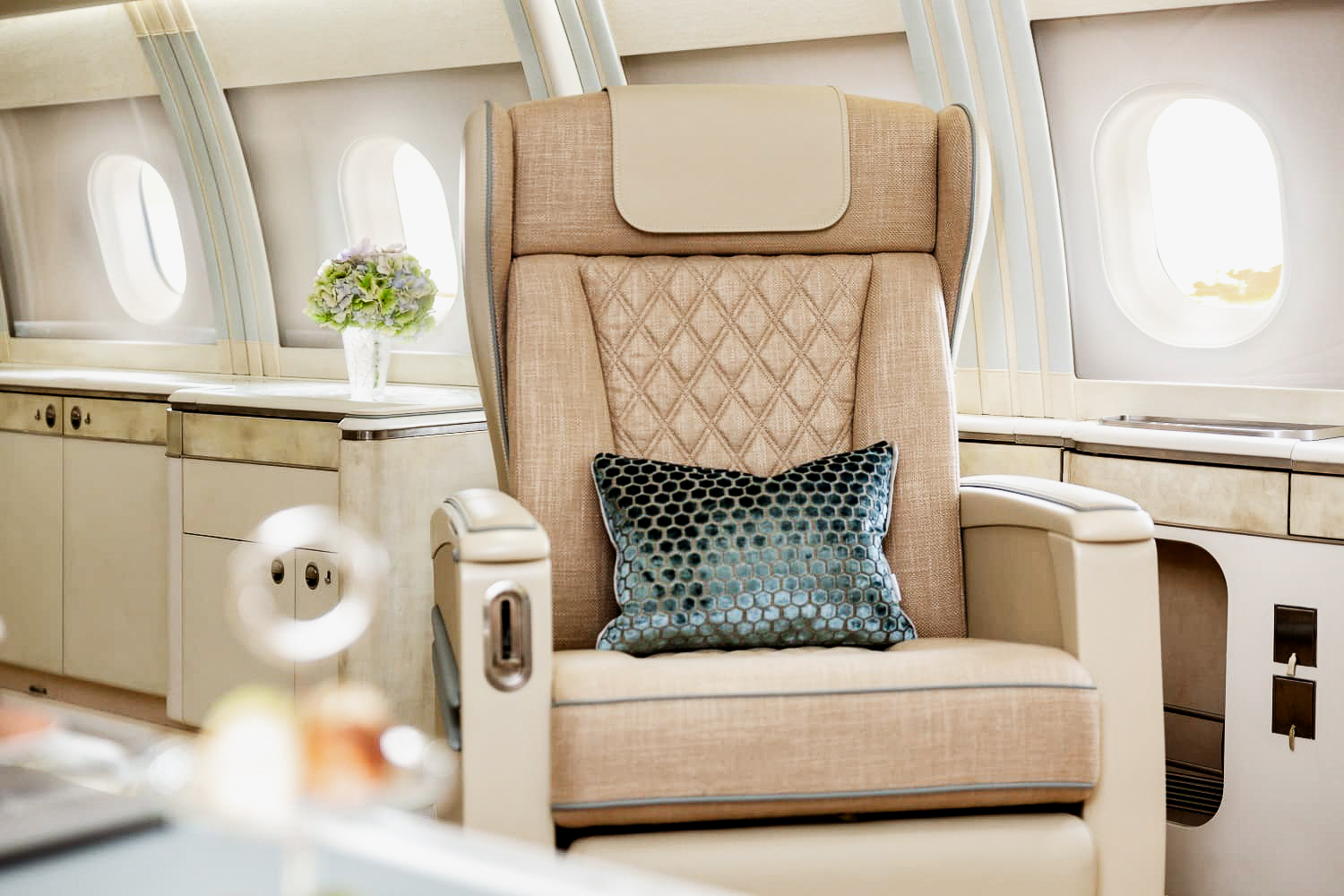
The way a cabin is arranged can have a significant impact on how an aircraft is experienced. The balance between lounge, dining, sleeping and working areas, as well as the level of privacy between each space, can make a meaningful difference to everyday use. A configuration that works exceptionally well for one owner may be less suited to another, which is why understanding how an aircraft will actually be used is an important part of the selection process.
Galley
Often overlooked, the position and design of the galley can influence the overall flow of the cabin. Their location, size and level of separation from the main passenger area can affect both privacy and usability, particularly on longer journeys.
Interior Design & Materials
An interior should be considered beyond its appearance on the day of viewing. The quality and durability of materials, the workmanship, the design concept and the history of refurbishment all contribute to how an aircraft will present over time. A well-executed interior can remain relevant for many years, while others may require more frequent updating.
Connectivity & Technology
Connectivity has become an increasingly important part of the cabin experience. Internet capability, communications, entertainment systems and cabin controls all contribute to how effectively an aircraft can support both business and personal travel.
Looking Beyond the Specification
Two aircraft of the same model, age and similar flight hours can offer very different experiences. The distinction is often found in the details: how the aircraft was configured, how it has been maintained and upgraded, and how well its specification aligns with the requirements of its next owner.
For this reason, evaluating an aircraft requires more than comparing figures on a specification sheet. Experience and careful attention to the details allow the characteristics that truly matter to be identified before a decision is made.
At Opus, we look beyond the headline specifications to understand the aircraft as a whole, helping our clients identify the details that can make the difference between an aircraft that meets the requirements and one that genuinely suits them.