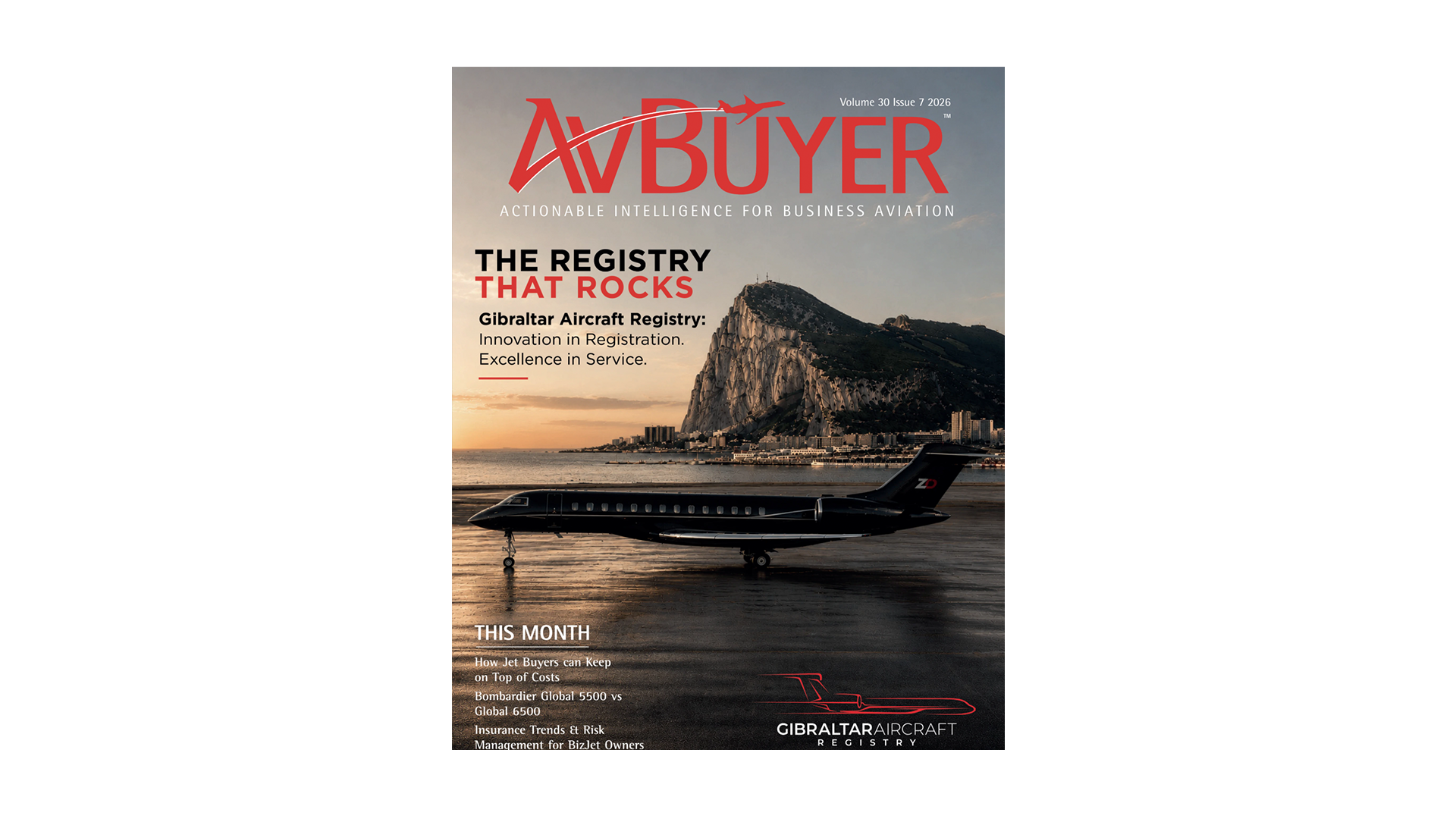
Aircraft Acquisitions: How Jet Buyers Can Keep On Top Of Costs
Purchasing a business aircraft involves far more than agreeing on the purchase price. While buyers often focus on negotiating the acquisition cost, a successful transaction requires careful planning for the many additional expenses that can significantly impact the overall investment.
One of the most critical stages of any acquisition is the Pre-Purchase Inspection (PPI). A thorough inspection can reveal maintenance requirements, engine or avionics issues, corrosion, or record discrepancies that may require substantial corrective work. In many cases, these findings can lead to renegotiations, delayed closings, or unexpected costs well after the purchase agreement has been signed.
However, inspection findings are only part of the equation. Buyers should also budget for legal fees, escrow services, title searches, registration costs, taxes, insurance, ferry flights, and financing expenses. Depending on the intended operation, additional modifications may also be required, including avionics upgrades, cabin refurbishment, connectivity enhancements, or compliance with charter and regulatory standards.
According to Opus, one of the most overlooked factors is ensuring the aircraft is truly suited to the buyer’s intended mission. An aircraft that appears acquisition-ready may still require significant investment before entering service, particularly if commercial or charter operations are planned. These additional requirements can result in both considerable expense and valuable time lost.
Time itself is often one of the largest hidden costs. Lengthy inspections, unresolved maintenance discrepancies, title issues, or regulatory approvals can delay delivery for weeks or even months. During this period, buyers may need to continue chartering aircraft or retain flight crews, increasing the total cost of ownership before the aircraft has even entered service.
Industry experts agree that many of these risks can be minimized through proper preparation. Comprehensive records reviews, independent technical oversight, experienced legal and tax advisors, realistic budgeting, and a well-structured purchase agreement all contribute to a smoother transaction and help avoid costly surprises.
Ultimately, successful aircraft acquisitions are not defined by securing the lowest purchase price—they are achieved by understanding the total cost of ownership and managing every stage of the transaction with experienced professionals. Careful due diligence, realistic expectations, and expert guidance remain the best tools for protecting both investment value and operational readiness.
Click to Read the AvBuyer Magazine